





Back in 2020, Apple ditched Intel in favour of its in-house chip manufacturing for iPhones, Macs, iPads and other products. Since then, Apple Silicon has managed to churn out impressive SoCs, even setting a new benchmark for the competitors. Now, it looks like the Cupertino brand might end up using Intel chips again, for future Macs and iPhones.
Apple considers Intel for budget iPhone and Macs
According to MacRumors, Apple is considering the possibility of partnering with Intel for its debut budget MacBook and future non-Pro iPhones. As per the deal, Intel will be responsible for only fabricating the chipsets. The architecture design will still happen in-house.
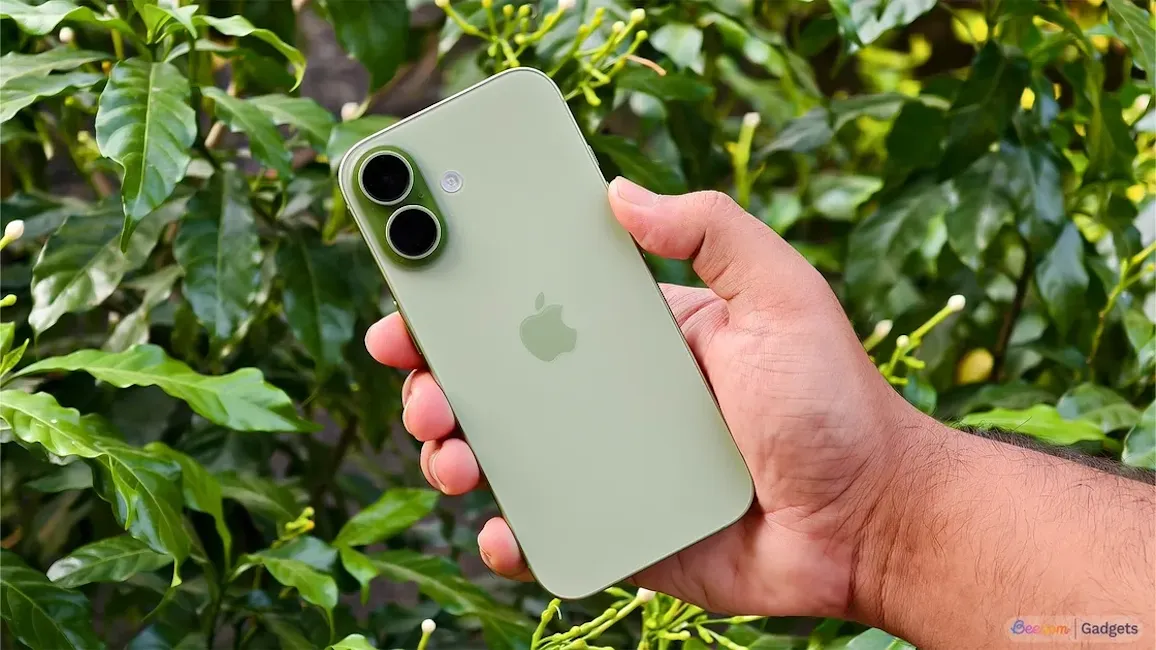
Moreover, based on analyst Jeff Pu's findings, it will be some time before the Intel-based iPhones will hit the market. According to him, Apple will make use of Intel's future 14A process to ready models like the iPhone 20 and iPhone 20e for 2028.
For those unaware, the 14A chip technology is said to be 1.4nm equivalent and will use advanced RibbonFET 2 transistors to make SoCs with 1.3 times the transistor density as compared to the current 18A node. So, with 14A, Intel plans to introduce a new transistor tech and lithography process, which can change the direction of future performance chips forever.
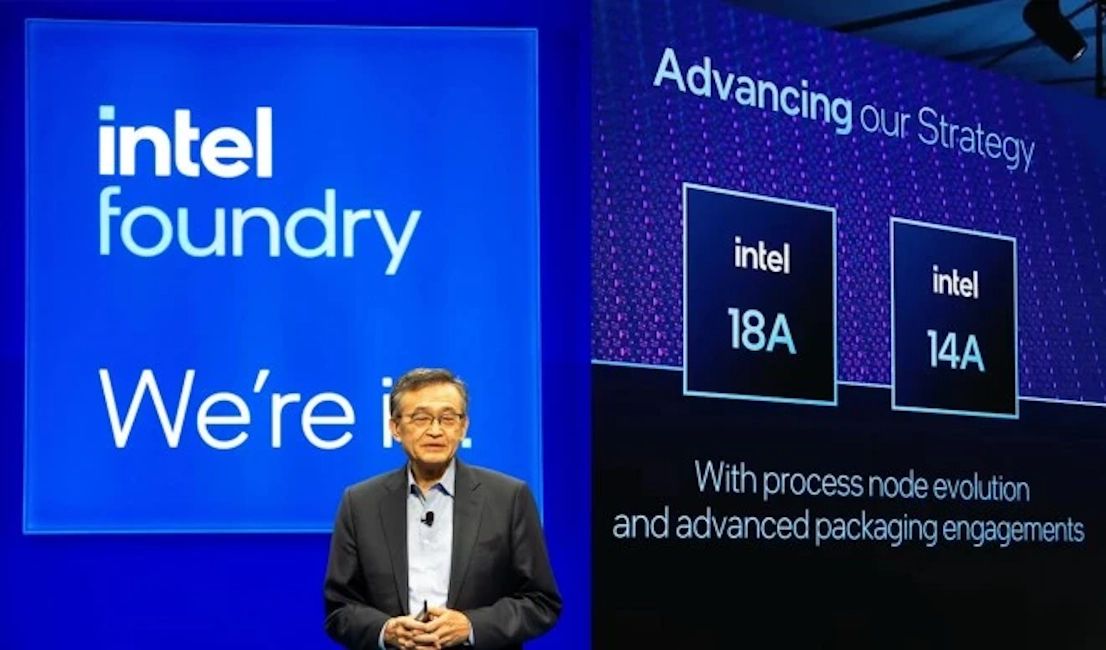
So, with Apple reportedly planning to use the upcoming fabrication process, we can see iPhones rocking Apple Silicon as small as 1.4nm. This comes after Ming-Chi Kuo revealed last week that Apple and Intel will jointly prepare the processor for its first-ever affordable MacBook. The roughly $599 (approximately Rs 52,500) Mac will allegedly use Intel's 18A sub-2nm fabrication node.
Moreover, with Apple joining hands with Intel, it will effectively have a chip-making partner in North America to boost the manufacturing process inside the country and ship iPhones and Macs with "Made in America" labels. This is especially important given the current geopolitical situation.
That said, currently there is no concrete information regarding the Apple and Intel partnership. Even if Intel is responsible for the chip fabrication, Apple will still have to rely on TSMC for ARM-based architecture.
Related Articles


