





Beebom
Rating8
Ahead of Diwali, Boltt as a brand has evolved and is ready to set fire in the entry-level segment with a value-for-money phone. Boltt Evo sets itself apart with an all-day battery, decent performance, fun cameras, a good display, and a clean Android experience. While its charging speed is not up to the mark and it's a hefty phone to carry around, these are minor compromises. In a market that lacks good affordable phones, a smartwatch maker's first phone gets the timing right with a pretty generous offering for the price.
Pros
- Long battery life
- Responsive 120 Hz display
- Smooth, bloatware-free OS
- Average performance
- Good daylight camera shots
Cons
- Bulky design
- Slow charging
Seeing a smartwatch brand enter the smartphone scene was not on my 2026 bingo card. But here we are with Boltt, commonly known as Fire-Boltt, which recently launched its first phone – the Boltt Evo 4G. It is an entry-level phone that I have been testing out for a week now. In this detailed Boltt Evo 4G review, I will tell you all the good things, the not-so-good things and whether you should buy Boltt's first attempt at a smartphone or not.
Boltt Evo Box Contents
The Boltt Evo 4G comes with all the essential goodies in the box, which counts as a good addition in my book. Here's everything that you get with the phone.
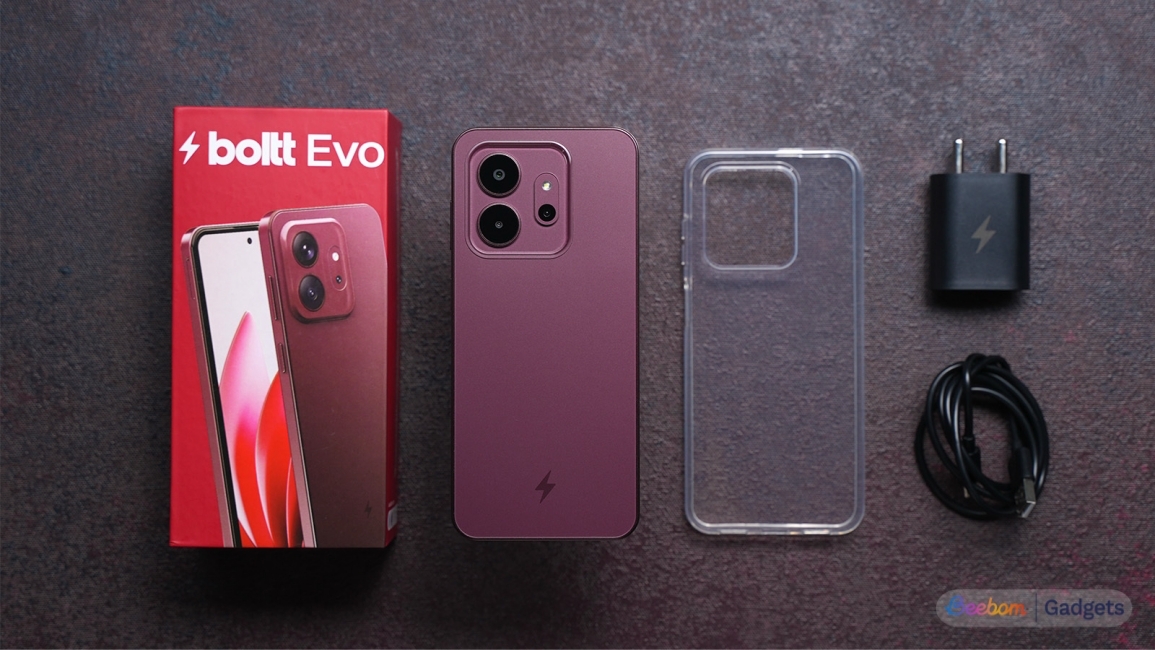
- Boltt Evo 4G smartphone
- Transparent case
- Pre-applied screen protector
- 10W charging adapter
- USB Type-C to Type-A cable
- Paperwork
Before moving ahead with the review, let's take a quick look at the key specs of the phone.
Boltt Evo Key Details


Note: Our testing, opinion, and rating for this review are based on the phone's launch price. We recommend checking the current price before making a purchase decision.
Related Articles

Design and Build
- 8.5 mm thickness, 233 grams weight
- Plastic back and frame, IP 64 dust and water resistance
- Side-mounted fingerprint scanner
Picking up the Boltt Evo 4G for this review, my first impression was that it felt a little heavier than I expected given its size, thanks to its 233-gram weight. Every time I took the phone out of my pocket, I could feel the heft. And that feeling didn't fully go away until I had been using it daily for about a week.
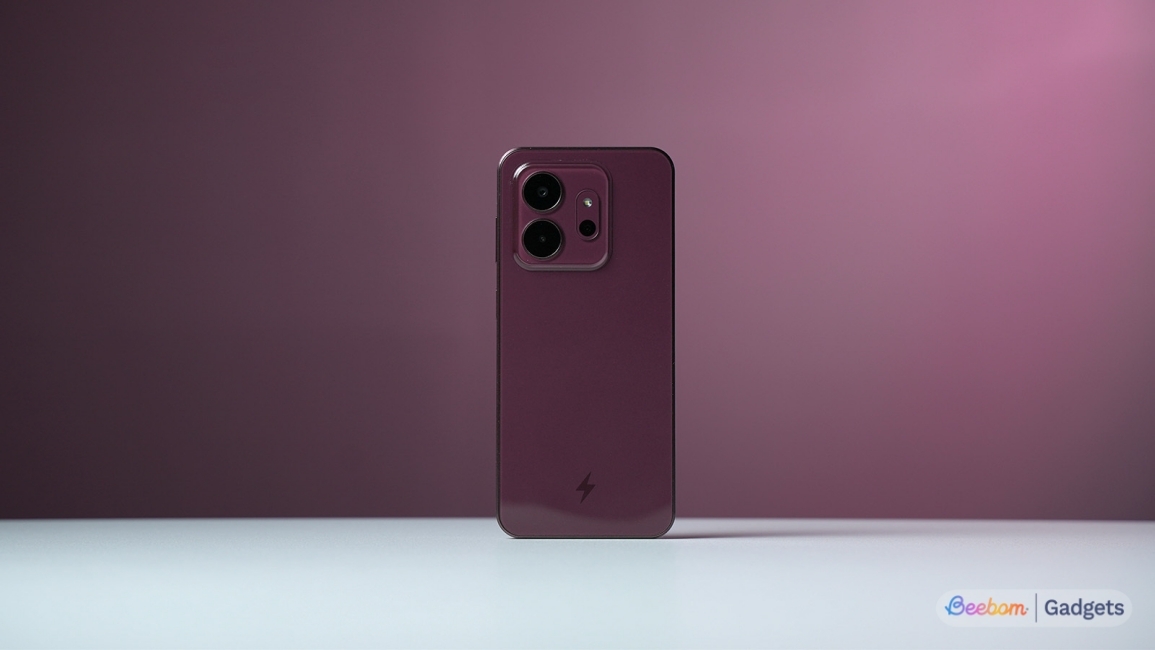
Part of that comes down to the build material. The Evo 4G is a plastic phone through and through, which is typical for phones under Rs 15,000. But the 8.5mm thickness and a hollow-feeling chassis leave a cheap feeling no matter how long you use it.
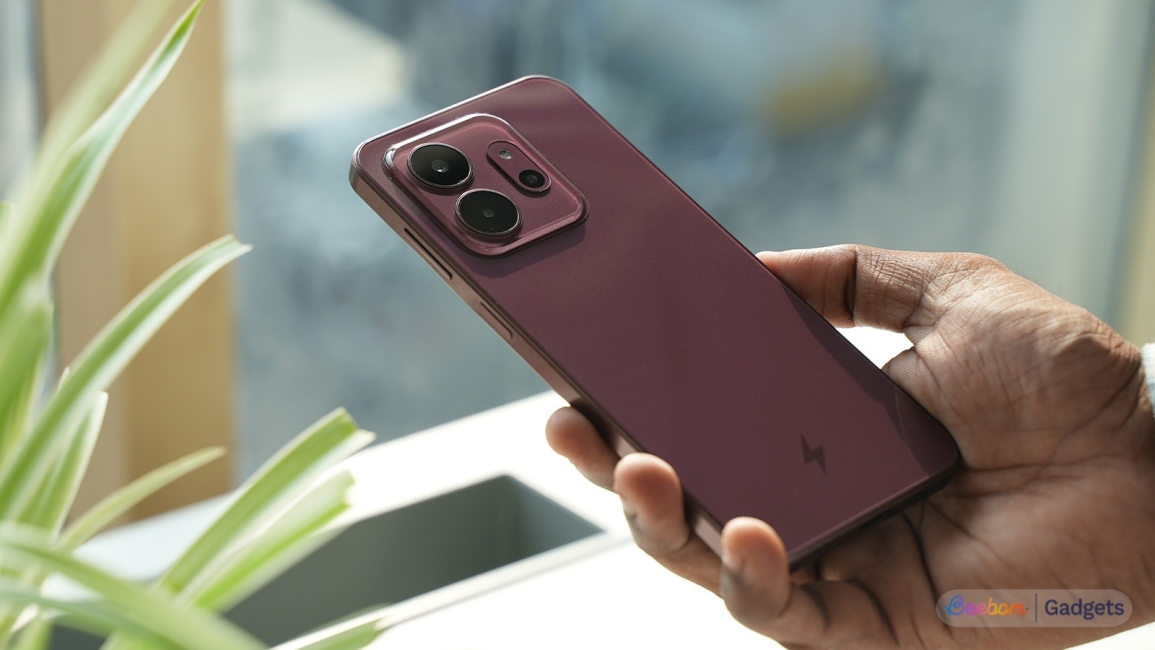
I have been using the Berry Red colour variant of the Boltt Evo 4G for this review, and I have to say that it looks classy in hand. The back of the phone is clean with a glossy finish, which did require me to clean my fingerprints off it from time to time.
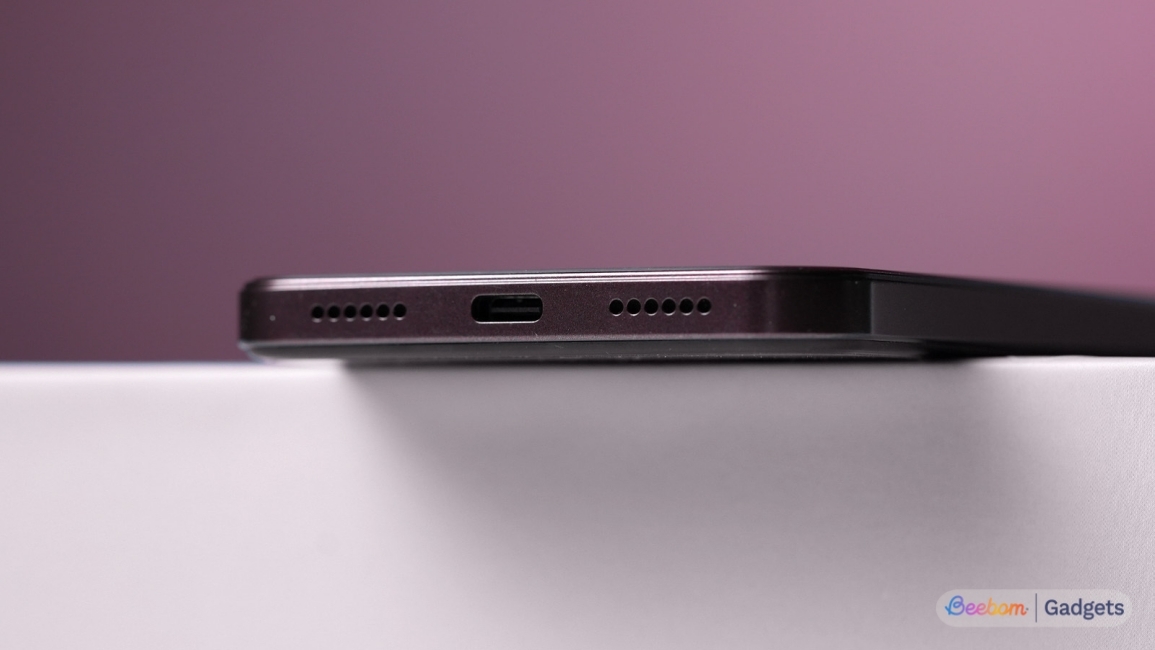
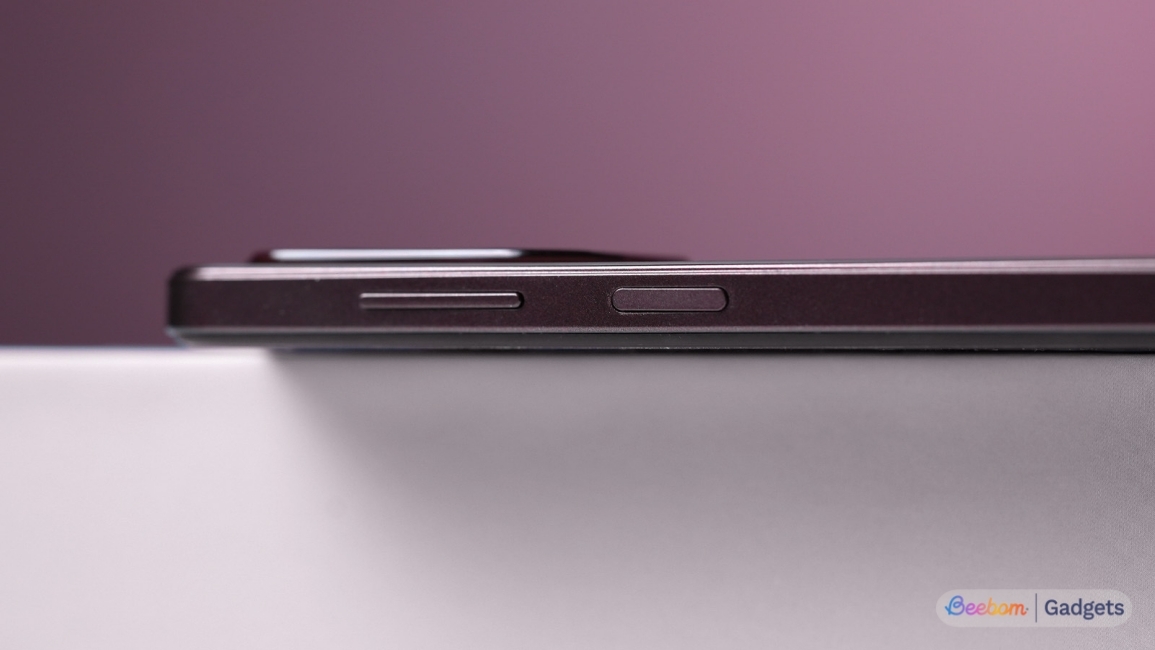
As for buttons, I like that the power button, which also doubles as a fingerprint scanner, protrudes a little bit outside the frame, making it easier to spot with my fingers alone. It is something I have talked about in my Lava Virat V1 Pro 5G review, and I am glad that Boltt paid attention to this issue.
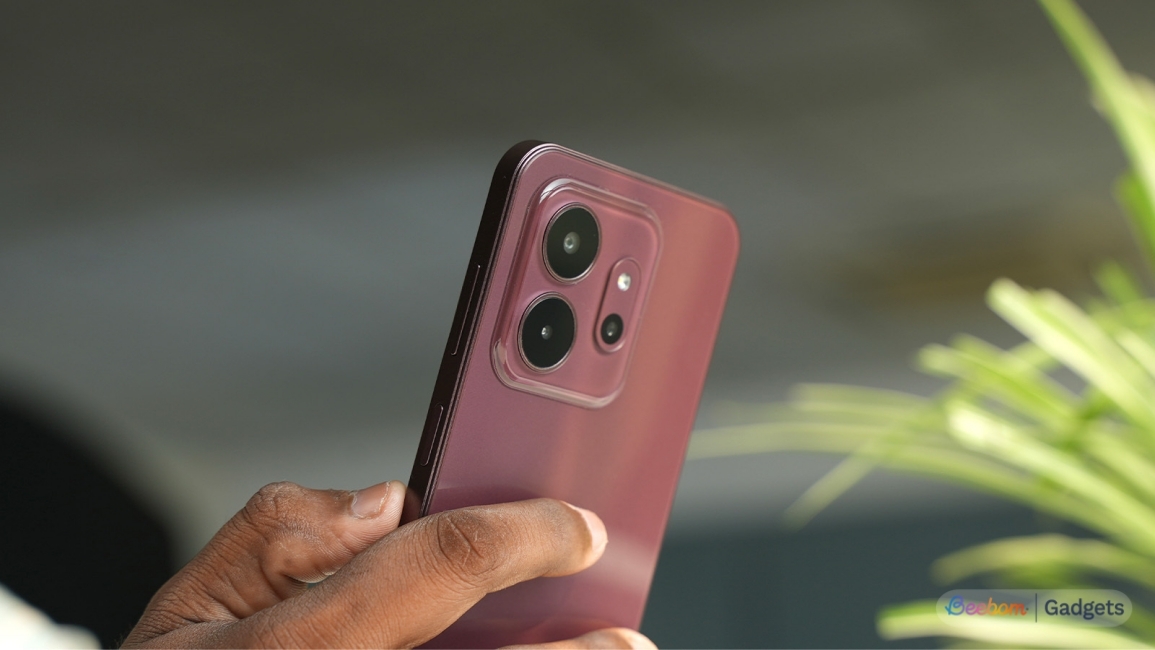
Besides that, there's also a headphone jack for wired earphones, which is always a pleasant sight to see. And the phone comes with an IP64 rating for protection against dust and minor water splashes.
Related Articles

Display and Audio Quality
- 6.79-inch (1600 x 900) HD+ LCD display
- 120 Hz refresh rate, 600 nits peak brightness
- Stereo speakers, 3.5 mm headphone jack
The Boltt Evo 4G comes with a 720p LCD screen with a 120 Hz refresh rate, which is exactly the kind of display specs you expect at this price. But Fire-Boltt deserves some credit for going with a punch-hole cutout at the top instead of the teardrop notch. I am tired of seeing phones with a notch in 2026, even if they are budget phones. There's no excuse for it.
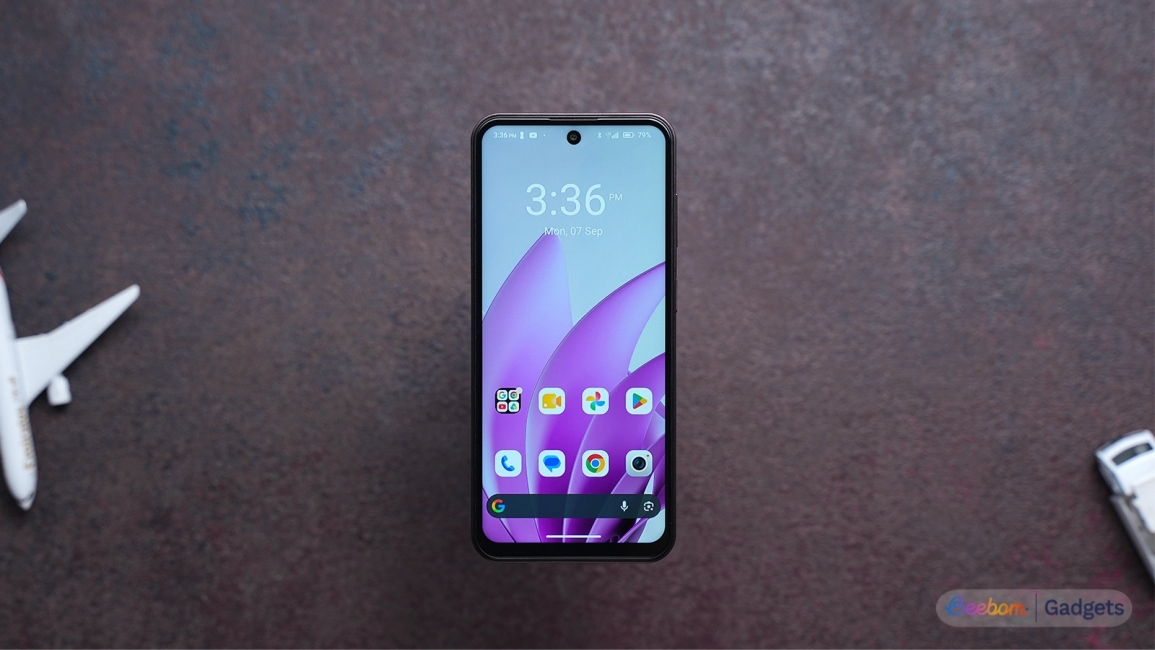
In day-to-day experience, the display does its job well enough. Colour output is reasonable for an LCD panel, and the 120Hz refresh rate keeps everyday interactions, scrolling, and swiping between apps feeling smooth for the most part.
I watched a handful of YouTube videos on it during my Boltt Evo 4G review period and generally enjoyed the experience. As I have explained before in my OnePlus N6x review, the colours come across quite flat and dull, given that it is an LCD panel and lacks the vibrancy you generally get with AMOLED screens.
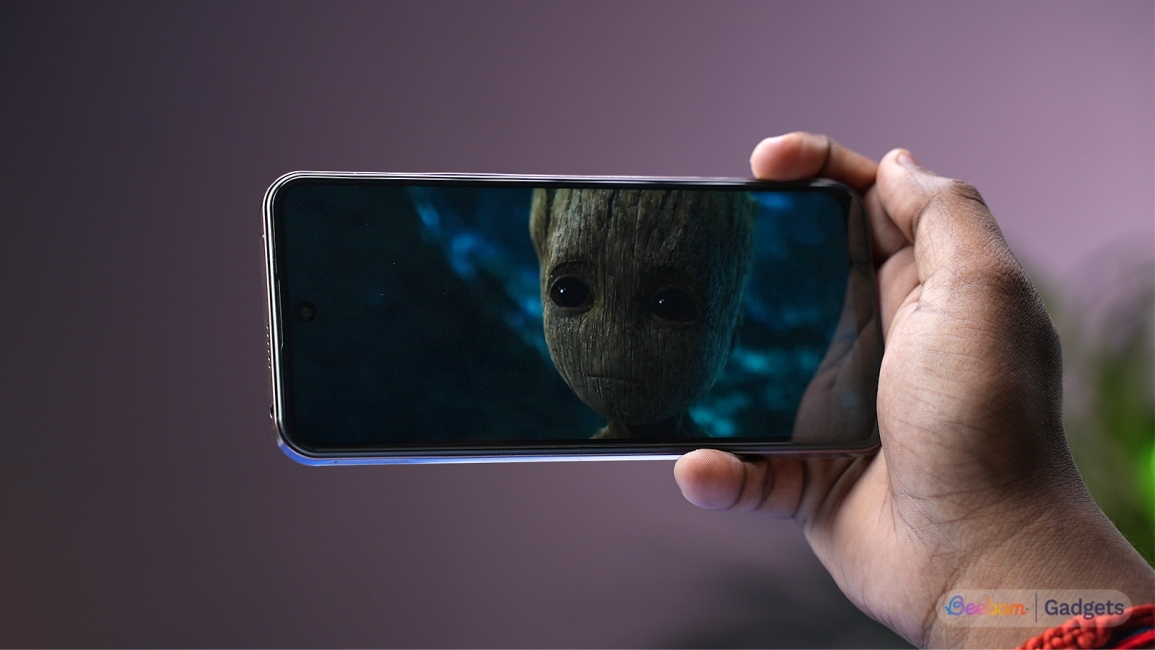
Audio follows a similar "fine for the price" pattern. The Boltt Evo 4G technically has a stereo speaker setup, but in practice, the bottom-firing speaker does almost all of the work. It has a 90/10 split that makes it feel closer to mono than true stereo.
Related Articles

Performance Tested
- Unisoc T7250 processor
- 4 GB LPDDR4X RAM and 64 GB eMMC storage
The Boltt Evo comes with Unisoc T7250 which is a popular 4G budget chipset, seen on the likes of the Realme C100x or the Oppo A6c. It delivers enough power to get by with basic tasks, but I still tested a couple of benchmarks to see how it performs. Here are the results.
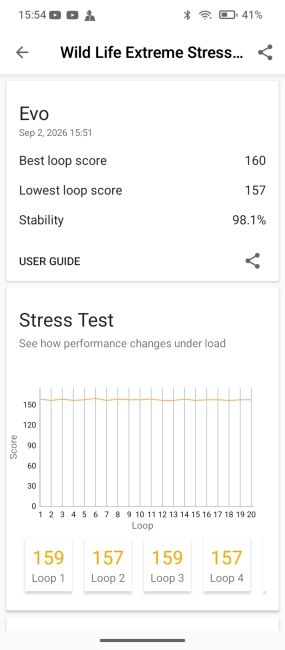
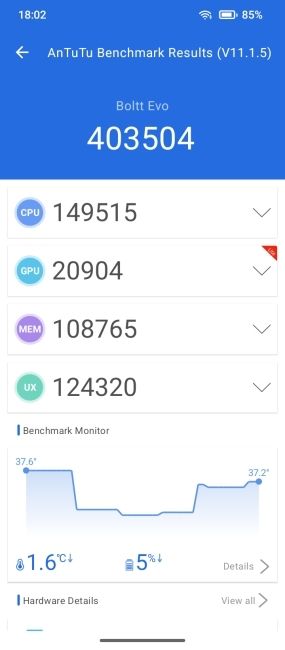
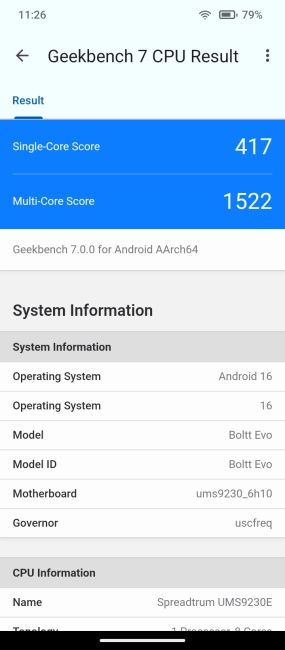
During my Boltt Evo 4G review period, the phone handled everyday tasks reasonably well. It got me through messaging and video calls on WhatsApp, browsing, and scrolling Instagram reels, without major complaints, aside from the occasional stutter or hiccups in between.
But given the limited RAM budget, it can't keep more than three apps open at a time. When revisiting any previously opened apps and games, I found they reloaded from the start. This seems like an aggressive approach to memory management, but a reasonable one given how little RAM it has.
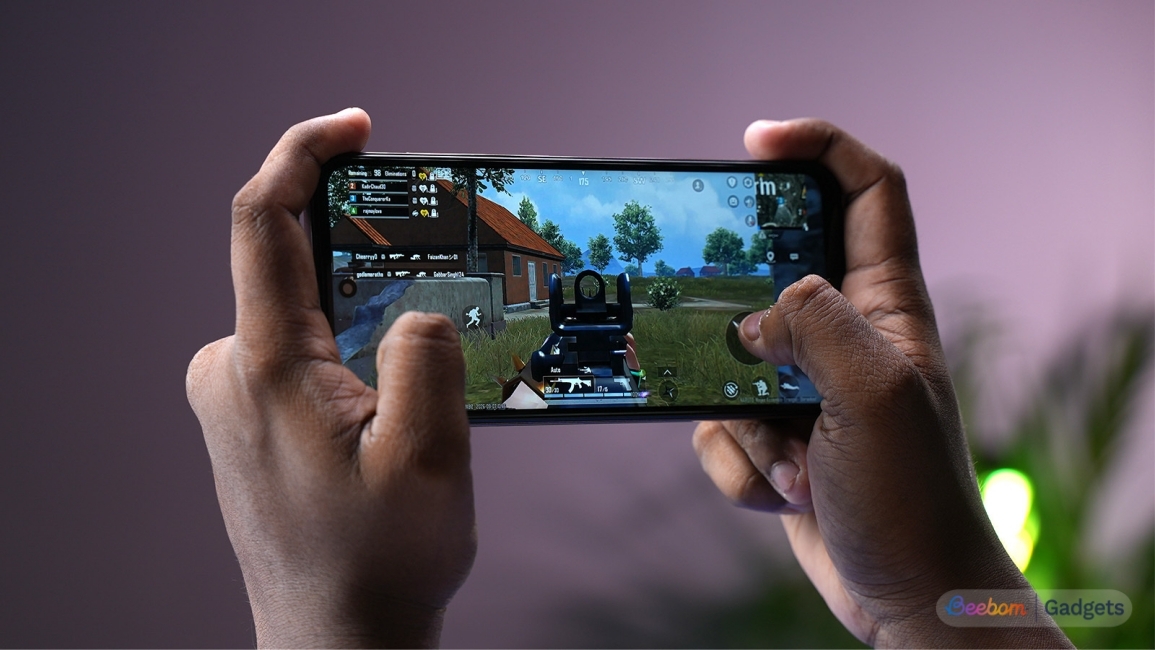
Coming to games, I played popular titles like BGMI, which supports 30 FPS on Smooth graphics, and CoD: Mobile, which offers 60 FPS in the Low preset. But the gaming experience felt a little choppy, with frame rates repeatedly dipping toward the 30 FPS mark instead of holding steady anywhere near 60.
On the plus side, even after a full hour of gaming, the phone never got noticeably warm, so at least thermal management isn't an issue.
Related Articles

Software and Updates
- Android 16 Go
- 3 years of OS updates, 4 years of security patches
I'm generally not a fan of custom skins on budget phones, since they add visual flair at the cost of actual smoothness, a complaint I expressed in my OnePlus N6 review. The Boltt Evo 4G is one rare exception. It runs on Android 16 Go with Boltt's customisations on top, and it's genuinely pretty smooth for most part.
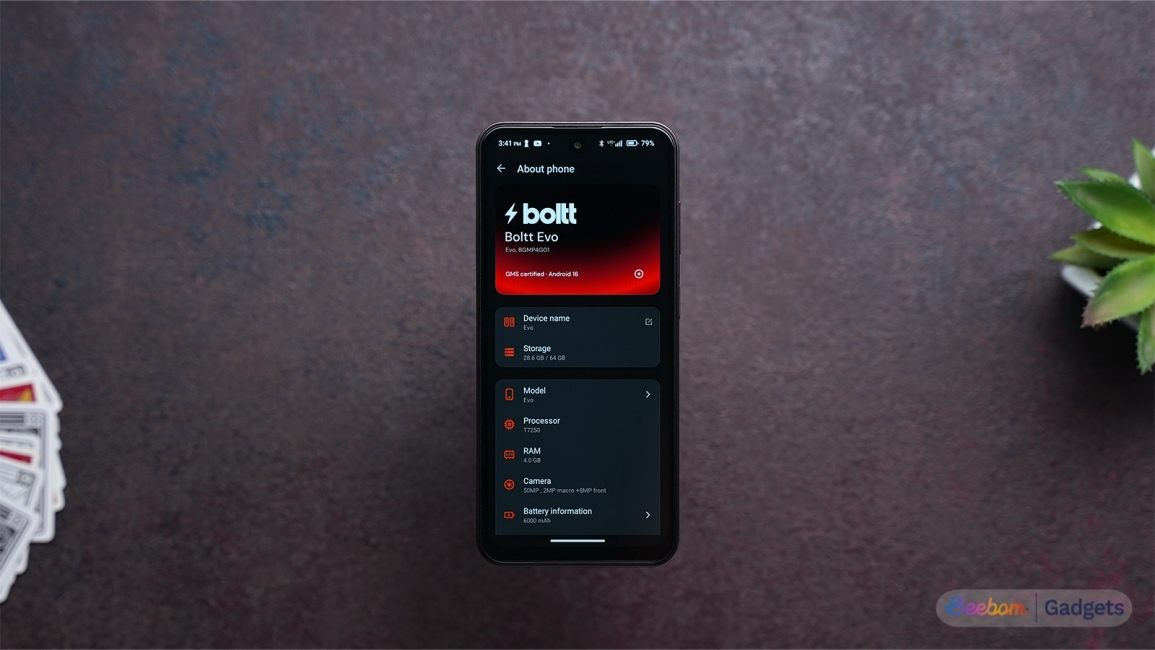
Swiping down the notification tray, pulling up quick settings, and watching apps open and close, all of these animations felt sleek. Especially for the price, where phones even struggle to perform basic animations. And I know it is not because of the chipset, since I have tested it out on other devices too.
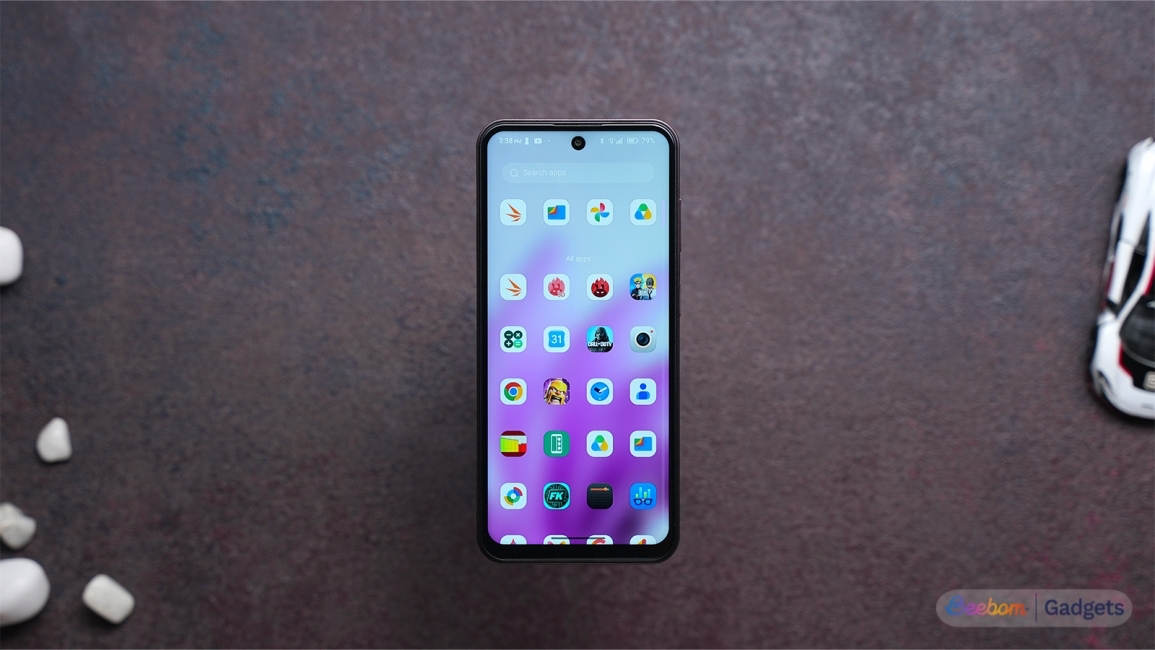
Another thing that might have helped to keep the experience smooth is the lack of bloatware. The software here is sparkly clean, with no pre-installed apps. This is exactly the kind of restraint I wish the Vivo T5 Lite 5G had shown.
Given this is Boltt's first attempt at building its own skin, I expected it to feel rough around the edges. But it is a surprisingly good debut. The update commitment is also strong, with the brand promising 3 years of OS updates, which would carry the Evo 4G all the way to Android 19.
Related Articles

Cameras Reviewed
- 50 MP main camera, f/1.8, video recording up to 1080p @ 30 FPS
- 2 MP macro camera
- 8 MP front camera, f/2.0, video recording up to 1080p @ 30 FPS
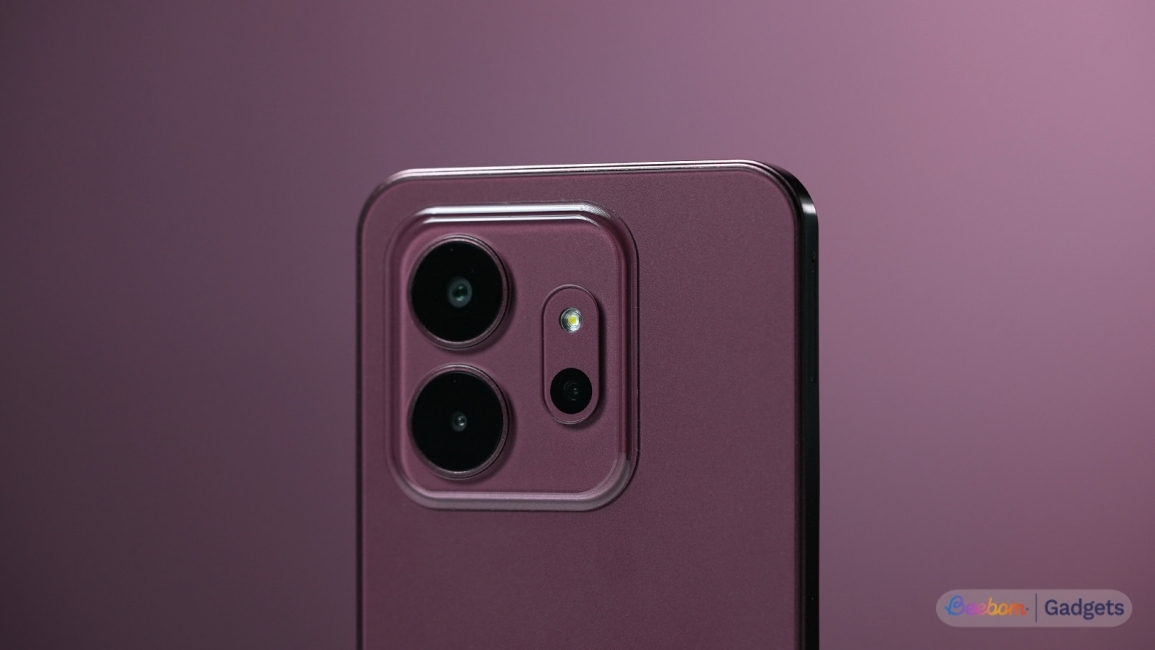
The Boltt Evo 4G comes with a pretty standard single 50 MP main camera with no OIS and an 8 MP selfie camera. Here's what the picture quality from this setup looks like.
Main Camera
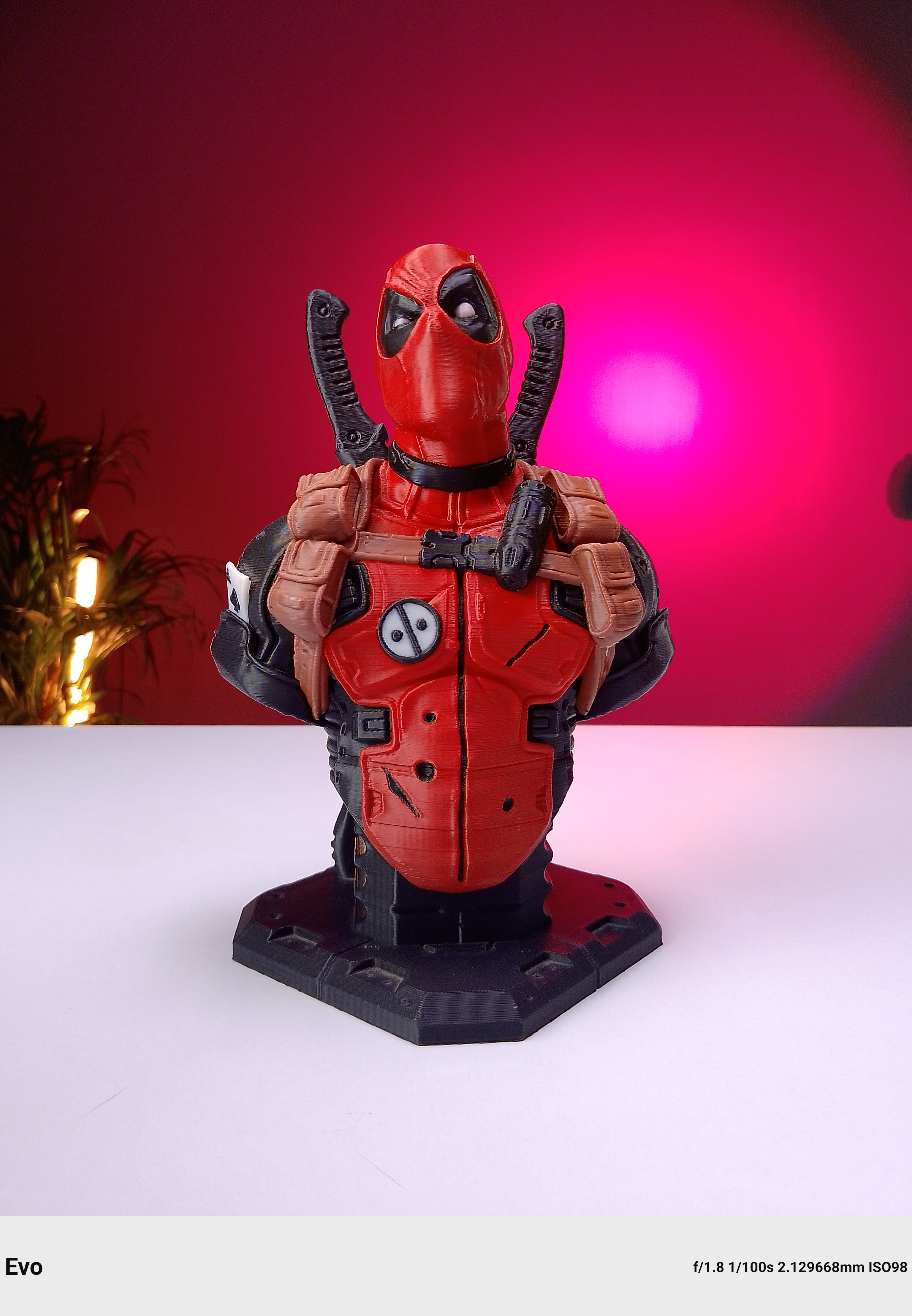
The main 50 MP shooter takes admirable photos in daylight, especially with stationary subjects like buildings or a parking sign or the statue of Deadpool taken in controlled lighting.
But some images carry a blue tint, and the shot of the signboard is the clearest example of that. Highlights and shadows are crushed, and details look muddy in most samples that I clicked during my Boltt Evo 4G review period.
I could see visible noise creep into daylight shots upon zooming in, which is something I had rarely seen before. Another thing to note, there is a colour disparity when taking shots in 50 MP mode over normal ones. I think it is because the software applies processing only in normal shots, while the higher resolution ones come out raw.
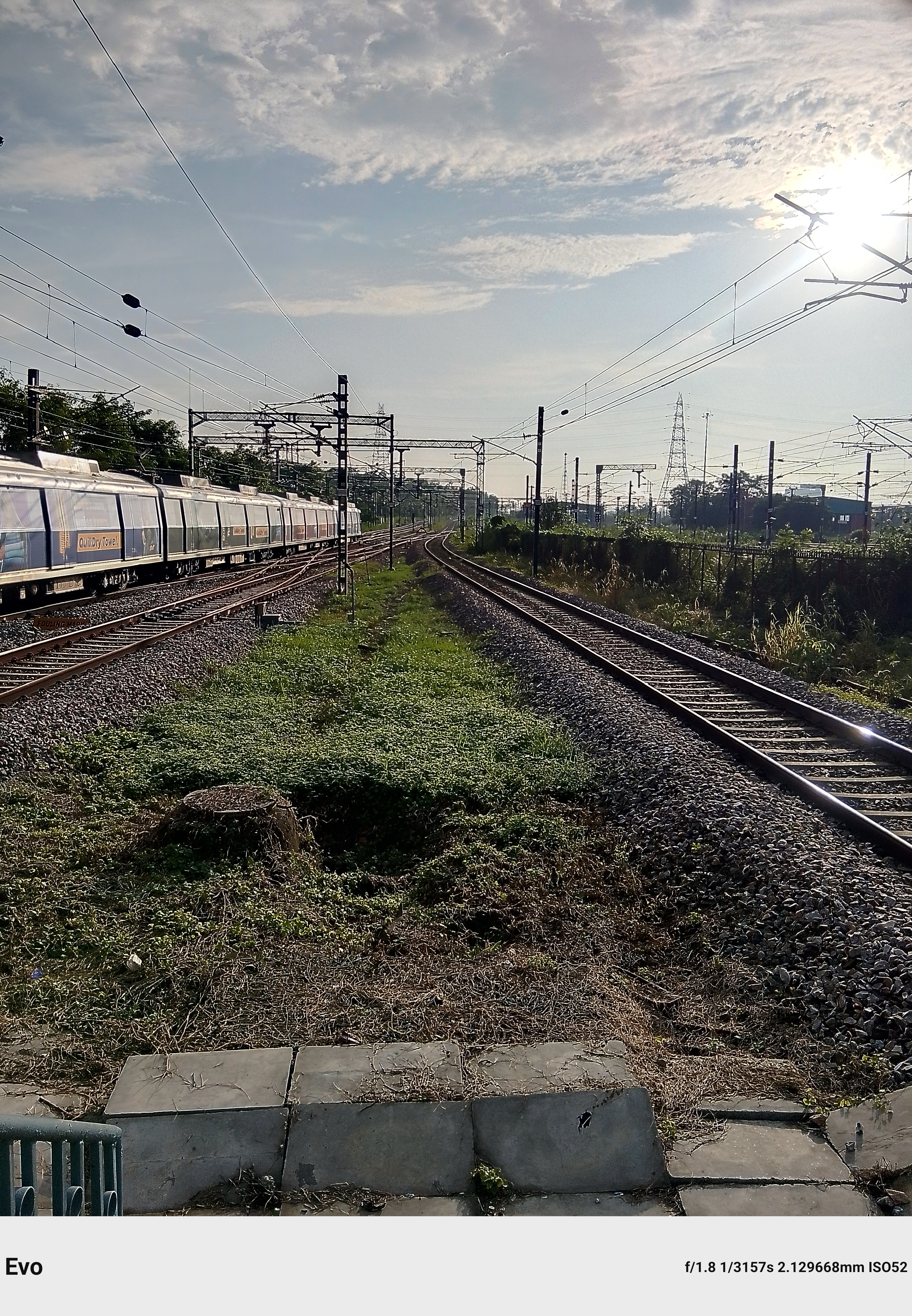
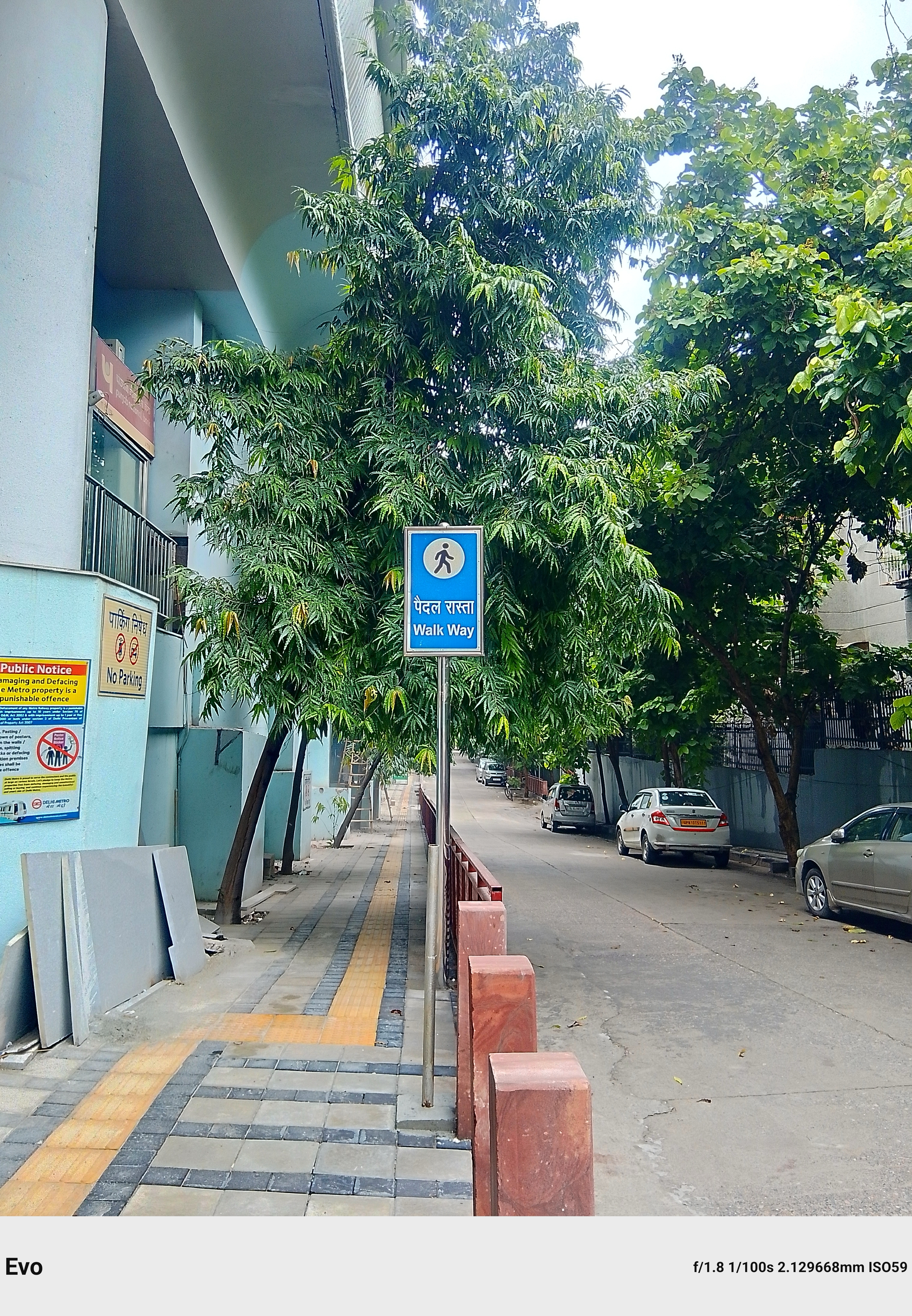






Night photography is where things fall apart. Noise takes over the entire frame, even at 1x zoom, and images turn notably blurry. I could manage to pull off a few genuinely decent low-light shots, like the one of the dog and the stairway.
But it took several attempts to land something usable. Zooming in at night isn't a realistic option either, as you can see in the shot of the clock tower. It came out too blurry to even tell what I shot clearly.
Front Camera
The front camera fares a little differently from the main sensor. Selfies come out looking natural in tone, with no artificial skin smoothing or aggressive beautification baked in by default. The highlights do get blown out, but for basic selfies, it gets the job done.



Video Recording
Video recording tops out at 1080p, and the footage quality is messy, to say the least. The footage has stutters, and it is difficult to make out the objects in the shot, especially moving ones.
Battery Life and Charging
- 6,000mAh battery capacity
- 10W wired charging supported
Battery life is the Boltt Evo 4G's strongest asset, as I got around 8 hours of screen-on time across the review period. This is with mixed usage, involving watching videos, listening to songs, using the phone as a Wi-Fi hotspot, and taking calls and video calls.
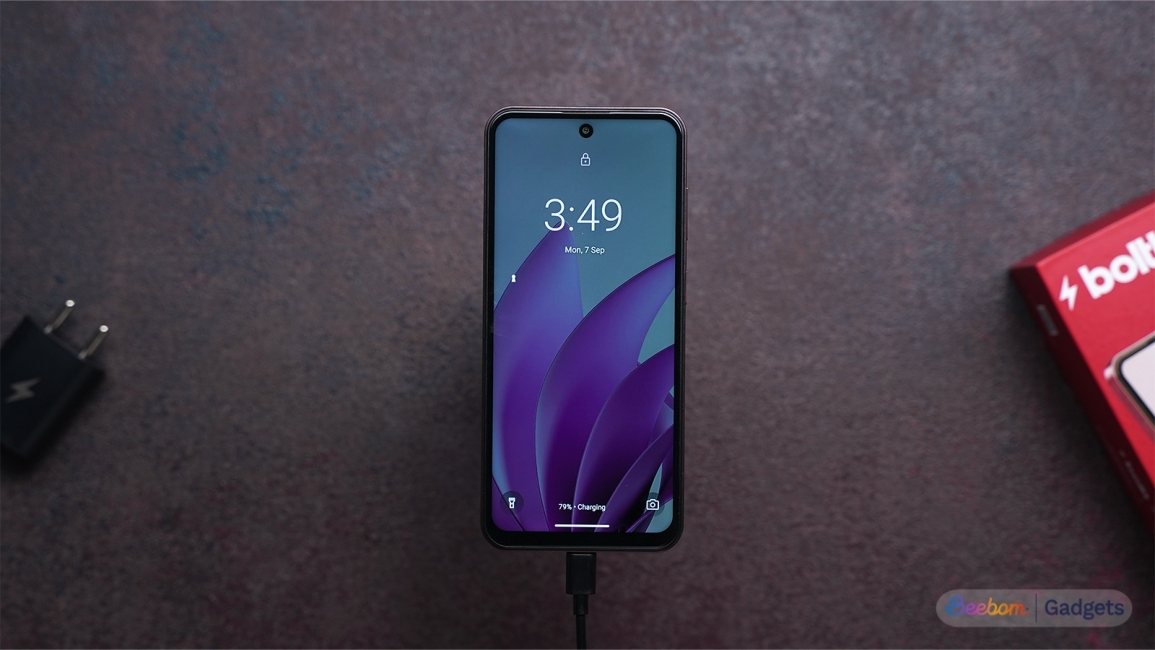
The 6,000 mAh battery holds up well, and I typically ended the day with 20% power left in the tank. But charging is where that battery capacity works against you. With only a 10W charger bundled in the box, going from 0–100% took about 1 hour and 50 minutes. That is why I usually put the phone on charge at night so I would get a full battery to start my day.
Boltt Evo Review Verdict: Should You Buy It?
There is no denying that the Boltt Evo 4G has a lot of things going for it and some working against it. The impressive battery life, the punchole display in the segment, the 120 Hz refresh rate, and the smooth bloatware-free software experience are nothing to cough at.
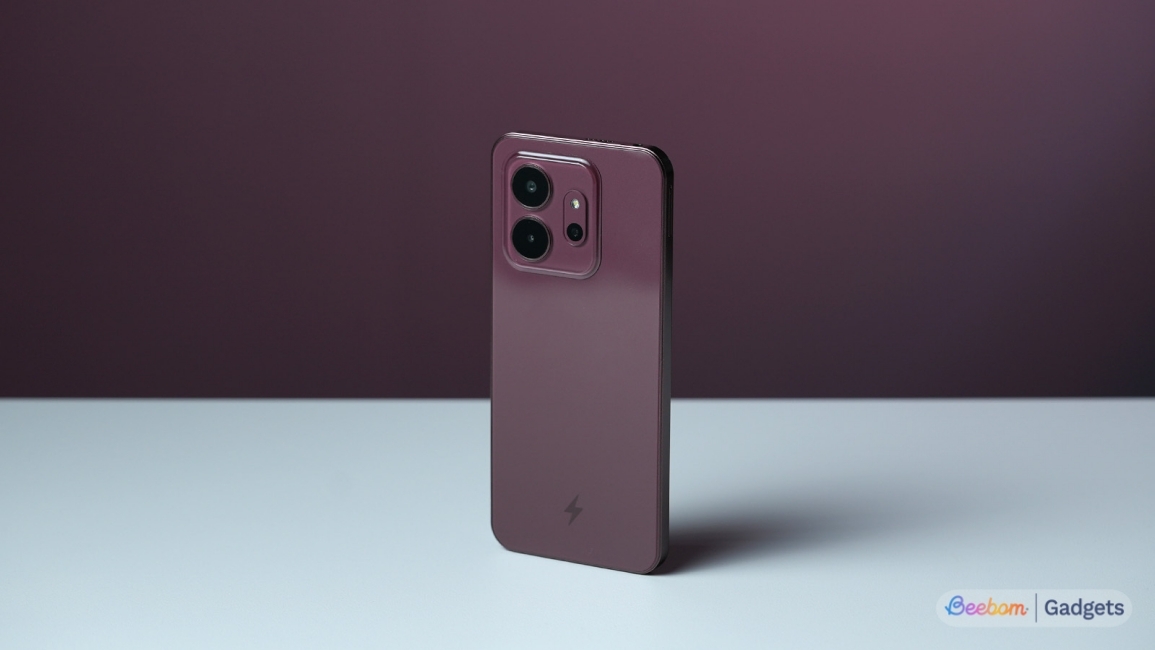
But the poor cameras, bulky design and average performance are the compromises one will have to live with. If you can raise the budget, Boltt's own Ace 5G is a much better deal along with the Virat V1 5G. However, if you are on a very strict budget and need a phone under Rs 12,000, then the Boltt Evo 4G is a competent option to go with.


