





The iPhone Fold is Apple's most anticipated launch of 2026, as it will be the first-ever folding iPhone. While the brand hasn't shared any official details, there is no shortage of leaks and rumours about its specifications and pricing from credible sources. Now, a new report has revealed possible pushback that could affect the iPhone Fold's ultimate launch.
Apple's supply chain sources have confirmed to Nikkei Asia that multiple production lines have been notified of a possible delay in the iPhone Fold production cycle. This is expected to affect the direct mass production lines, especially those of Foxxcon, which is expected to handle the majority of production and shipment of the iPhone Fold.
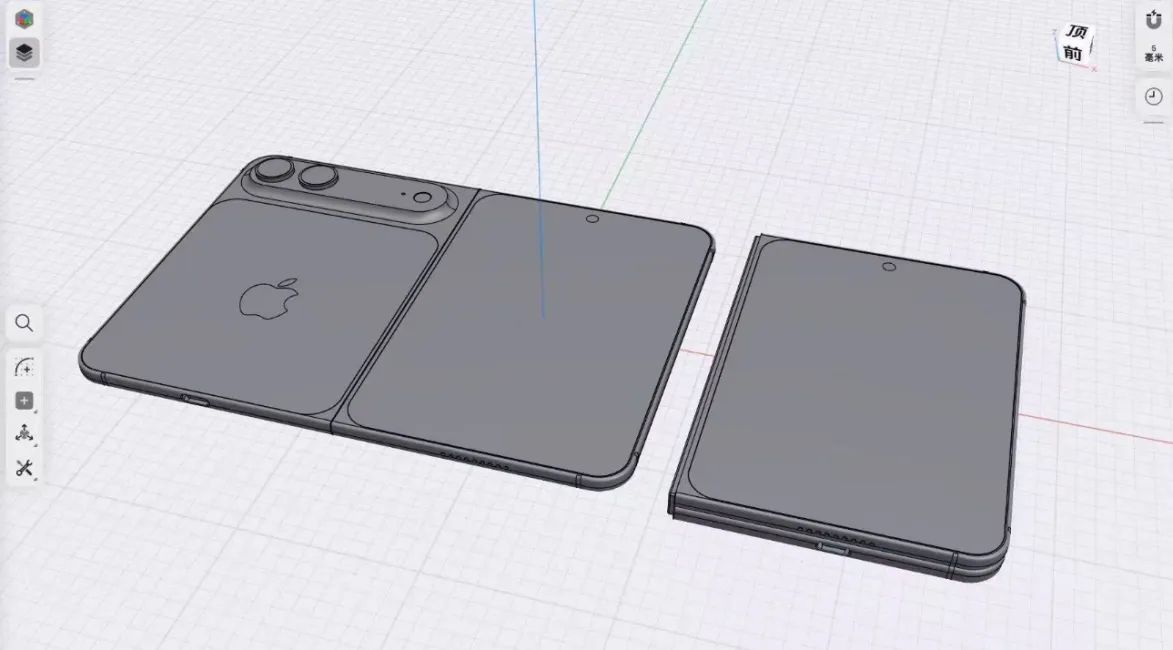
The reason for this setback has been attributed to early engineering complications that Apple has faced with the iPhone Fold. They were expected to be resolved earlier, but new complications have added to the burden, making it impossible for the Cupertino brand to hit the set deadlines.
It's true that more issues than expected have emerged during the early test production phase, and additional time will be needed to resolve them and make necessary adjustments."
— Apple Supply Chain source
Moreover, with sources claiming that the current issues need not days but months to get resolved, there is a high chance Apple will have to shift the iPhone Fold launch to 2027. Apple initially planned to unveil the iPhone Fold in its September 2026 event. However, in the wake of the current situation, iPhone Fold could launch in the first half of 2027, alongside the iPhone 18, iPhone 18e and the next iPhone Air.
Is iPhone Fold Launching in 2026?
While fans have been expecting the iPhone Fold in 2026, early reports suggest it could get pushed to 2027. Brands like Samsung and Oppo have also been prepping their iPhone Fold competitors. However, it looks like they will also have to wait till next year to release their wide foldables.
That said, Apple hopes to produce 7 million to 8 million iPhone Folds for sale and with the production cycle now pushed further, it could either mean that Apple will keep the current production count to meet production target or reduce it to minimise the blowback from delay and high production cost.
Related Articles


