


iPhones offer a neat little Live Voicemail feature that lets callers leave a recorded message if you're unavailable. However, it often leads to a lot of spam messages and even fills up the storage. If you're tired of getting voicemails and just want to see missed calls instead, there are multiple ways you can turn off or deactivate voicemail on iPhone, and this guide will help you understand how to do it.
How to Deactivate Voicemail on iPhone
Before we start, it is worth clearing up that disabling Live Voicemail from your iPhone settings might not be the only solution. All Apple iPhones that have not received the iOS 18 update, like the iPhone X, could require you to deactivate voicemail on your iPhone through your carrier.
Related Articles

Turn off Live Voicemail in Settings
All iOS 18-compatible iPhones, including the iPhone XS, iPhone 11, all the way up to the iPhone 17, have the Live Voicemail feature that is enabled by default. You can turn it off in the settings app.
- Go to the Settings app on your iPhone.
- Scroll down and tap on Apps > Phone.

- Here, go to Live Voicemail and turn off the toggle for it.

Related Articles

Use Dial Codes to Deactivate Voicemail on iPhone
Most carriers support special MMI codes that disable voicemail routing on the iPhone. You can dial these codes to disable voicemail directly from the phone's dialler. Here's how you do it:
- Launch the Phone app on your iPhone and tap on the Keypad tab at the bottom.
- Using the on-screen number pad, enter #004# and then tap on the Call button.

This will disable conditional call forwarding, which is what sends calls to voicemail. You will soon receive a confirmation message for it.
Related Articles

Contact Your Carrier Service to Turn off Voicemail
If the steps explained above weren't successful, it's recommended that you contact your service provider's customer care directly and request them to disable the voicemail service for you. You can reach out to your carrier by dialling the corresponding number listed below:
- Airtel: 121
- Jio: 198
- VI: 199
After connecting with an agent, you can ask them to disable the voicemail service on their end. You can also turn off voicemail in the carrier app.
Related Articles

Turn off Voicemail by Forwarding Calls
Another way to avoid getting voicemails on your iPhone is to forward incoming calls to another number. You can customise and reroute calls to other numbers in iOS Settings. Here's how:
- Launch the Settings app and head over to Apps > Phone.

- Now, select Call Forwarding under "Calls".
- Here, turn on the Call Forwarding toggle at the top.

- Once enabled, tap on Forward To which will only appear when Call Forwarding is enabled.
- Now, you can enter the number where you wish to receive calls instead and tap on the back arrow to confirm changes.
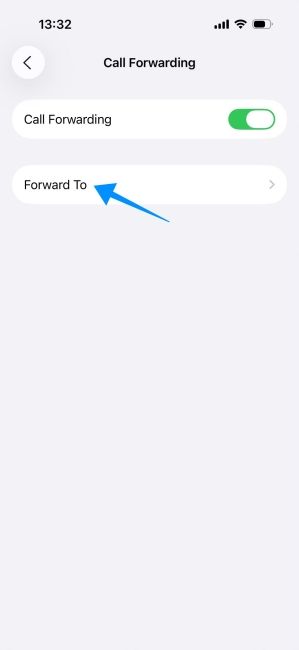
From now on, any call that comes to your iPhone will show up on your designated secondary number, and this way, no voicemails will be saved inside iOS.
Related Articles

What Happens When You Deactivate Voicemail on iPhone?

It's important to understand the consequences when you deactivate voicemail on your iPhone. Here's what happens when you do it:
- Unable to leave a message: Turning off voicemail on your iPhone means callers will not be able to leave a message, informing you why they called you.
- Repeated Calls: Since callers will not be able to record a message, telemarketers or cold callers might call you repeatedly.
- Empty Voicemail Inbox: After deactivating voicemail, your inbox will not receive any new recordings, and any previous voicemails could be deleted.
This can help with spam voicemails from telemarketers, but you may miss messages from family and friends.
That's it. By now, you might have successfully deactivated voicemail on your iPhone. Even with voicemail off, you'll still get incoming calls and see missed calls. You can always verify whether voicemail is active on your phone by contacting your number from another device or asking someone you know to ring you.


