





At the annual Google I/O 2026 developer conference, amidst the plethora of new Gemini features, Google has also dropped its next smartwatch OS, Wear OS 7. Designed for the Gemini era, Wear OS 7 brings not only improvements to battery, but also infuses Gemini Intelligence for functions like task automations and deeper AI integration.
Wear OS 7 Is Built for AI and Efficiency
Right off the bat, Google is promising a substantial jump in battery life with Wear OS 7, claiming to offer 10% better battery life than Wear OS 6. A large part here could be played by Gemini Intelligence as Google says it is arriving to "select" Wear OS smartwatches later this year.
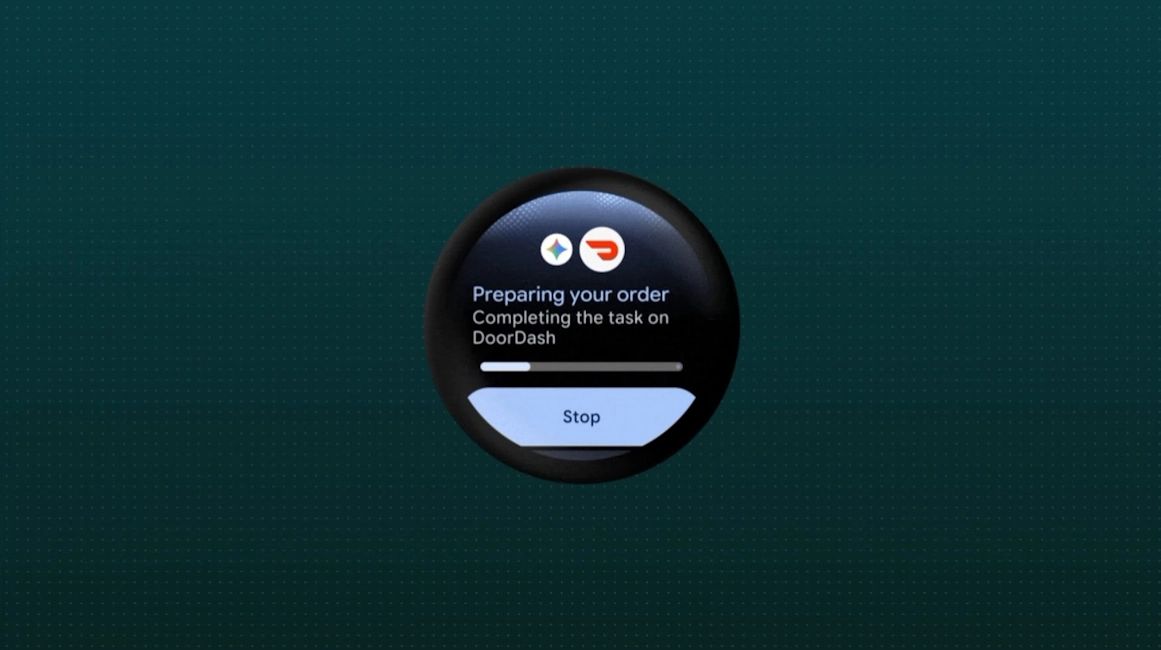
Speaking of AI, Wear OS 7 will also let users launch and track app automations for select phone apps. It revolves around Gemini Spark, helping Wear OS 7 smartwatches turn into agentic AI automation tools. With task automation, users will be able to speak to Gemini on Wear OS 7 to perform actions like "placing an order from DoorDash.” To help developers integrate assistants and agents to Wear OS 7, Google has introduced an AppFunctions API.
Aside from AI, Google is also bringing new features to Wear OS 7. For starters, new Wear Widgets are replacing the age-old full-screen swipeable Tiles in a 2x1 and 2x2 size formats, similar to widget sizes on smartphones. Google is calling them "flexible and dynamic" and are expected to maintain system-wide consistency across devices.

With Wear OS 7, Live Updates are finally coming to smartwatches as well. Users will be able to get real-time info with a quick glance at their wrist. It will work cohesively across devices, bringing the same experience to both smartphone and smartwatch, for the shared app. It will unlock at-a-glance features like ETA tracking, delivery tracking, sports scores and more.
Moving on, Wear OS 7 also enhances the System Media Controls, bringing per-app media auto-launch controls right on the wrist. It will let users choose which app can show media controls on their smartwatch and for which app. It is paired with a new remote audio output switcher to help users easily move between phone, smartwatch, speakers, earbuds and more.

Lastly, Wear OS 7 also gets Wear Workout Tracker, a native fitness tracking experience. This will help Wear OS 7 smartwatches handle basic health metrics like heart rate, core fitness features, sports modes and more, within the smartwatch itself.
This makes it easier for fitness brands to directly port their features to Wear OS 7, instead of building a dedicated fitness suite from scratch. ASICS Runkeeper is the first big partner using Wear Workout Tracker.

That said, Wear OS 7 will launch later in 2026 and will also introduce the new Watch Face Format v5. To let developers try building Wear OS 7 watch faces, develop auto-size improvements and explore new alignment options, Wear OS 7 Canary is available to simulate right now from the link here.
Related Articles


