





The last few months have been an incredible upward battle for both smartphone manufacturers and consumers. With RAM prices soaring sky high, OEMs are left with no choice but to increase the prices of their new phones and even existing models. As consumers, we have been burdened with the responsibility of paying high prices for our new smartphone purchases. This has visibly left the Indian smartphone market negatively affected, as sales declined sharply in Q1 2026.
Smartphone sales in India plummet in Q1 2026
According to Counterpoint Research's latest Indian smartphone market analysis, smartphone sales in India declined by 9% year-on-year in the first nine weeks of 2026, that is, Q1 2026. The primary reason for this decline has been the ongoing RAM crisis.

With AI Data Centres absorbing every last stock of smartphone memory, there is very little left for OEMs to actually use inside their new launches without paying earth-shattering prices. This has made it impossible for new phones to strike a good price-to-benefit ratio, especially in the affordable and mid-range segments.
With the same phone costing Rs 1,500 more on average this year, consumers have become more and more aware of the situation and have been holding off on new purchases for the future. This has affected a heavily competitive market like India, which sees frequent phone launches on a daily basis.
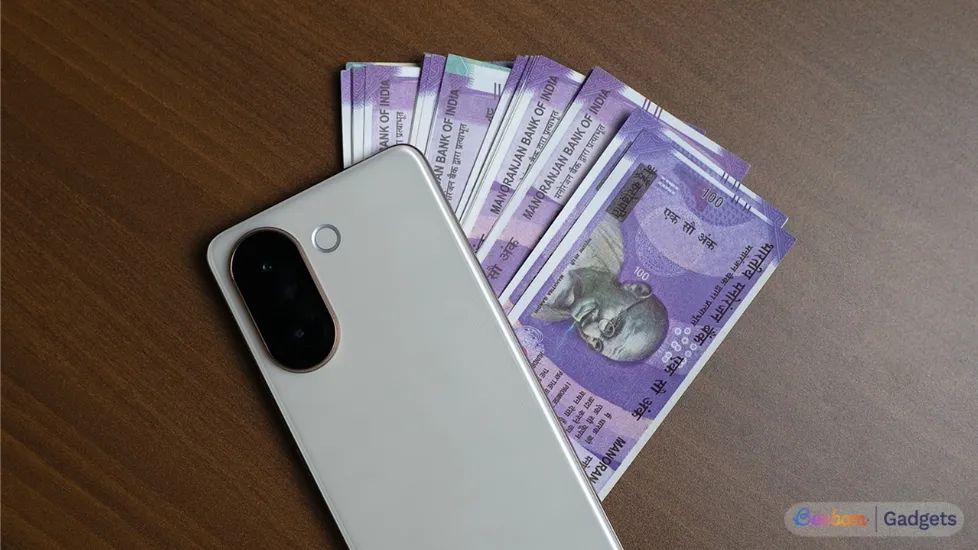
The only time of respite for the market was during the month of January 2026, when brands and shopping platforms were running Republic Day sales and offers. The highest sales volume was recorded via online channels due to bank offers, cashbacks and flexible EMI plans.
Amidst all, Vivo emerged as the market-leading brand in Q1 2026 with 19% year-on-year sales growth. A large chunk of their sales happened via new Y and T series launches like the Vivo T5x 5G and Vivo Y11 5G and more. Even Apple managed to grow 12% year-on-year thanks to its retail channel discounts and the steady popularity of the iPhone 17 series, specifically the standard iPhone 17.

That said, it is clear that consumer sentiments have shifted in the Indian smartphone space. Although new phones are launching regularly, the intensity of upgrades has significantly reduced. This has resulted in weaker retail conversion and is expected to get worse in the coming months.
Moreover, the ongoing geopolitical scenario has further broadened the impact. Counterpoint Research's Director Tarun Pathak said that with essential commodities like cooking gas and vehiclular fuel getting more expensive in the coming months, consumers will not resort to new smartphone purchases further deepening the downward impact.
Related Articles


