





The first four months of 2026 have already resulted in a very inflated smartphone market. From rising prices to the India smartphone market facing a 9% downturn, it seems like for both brand and consumers alike, there is no respite in sight. However, instead of expecting any immediate relief, a new report has shed some concerning light on Apple and how the current crisis is expected to shape the next few years for iPhones.
Apple's Memory Costs Are Expected to Quadruple by 2027
A critical business analysis conducted by JP Morgan for Financial Times has revealed that the ongoing RAM crisis is set to impact Apple's BOM (Bill of Materials) the most. The BOM share for memory is said to rise from the current 10% to a whopping 45% by 2027, which is a 1.45 times jump in just a matter of months.
.webp "iPhone 17 Pro Max")
Currently, Apple is one of the largest memory vendors, with year-on-year partnerships with Samsung's MX division, SK Hynix, and Micron. It roughly buys enough memory for 250 million iPhones per year, and with the iPhone 17's roaring success, Apple has already placed new orders for memory. This has also reflected in the iPhone 17 price since Apple has reportedly cut dealer discounts in India.
However, for the upcoming iPhones, the situation is only getting worse. First, there is a solid chance that iPhone 18 has been delayed till 2027. Initially, this was seen as a cost absorption move by delaying the launch to let the RAM crisis stabilise. However, with the current scenario expected to last till 2030, Apple will not only have to launch the iPhone 18 late but will also affect its MSP and specifications.
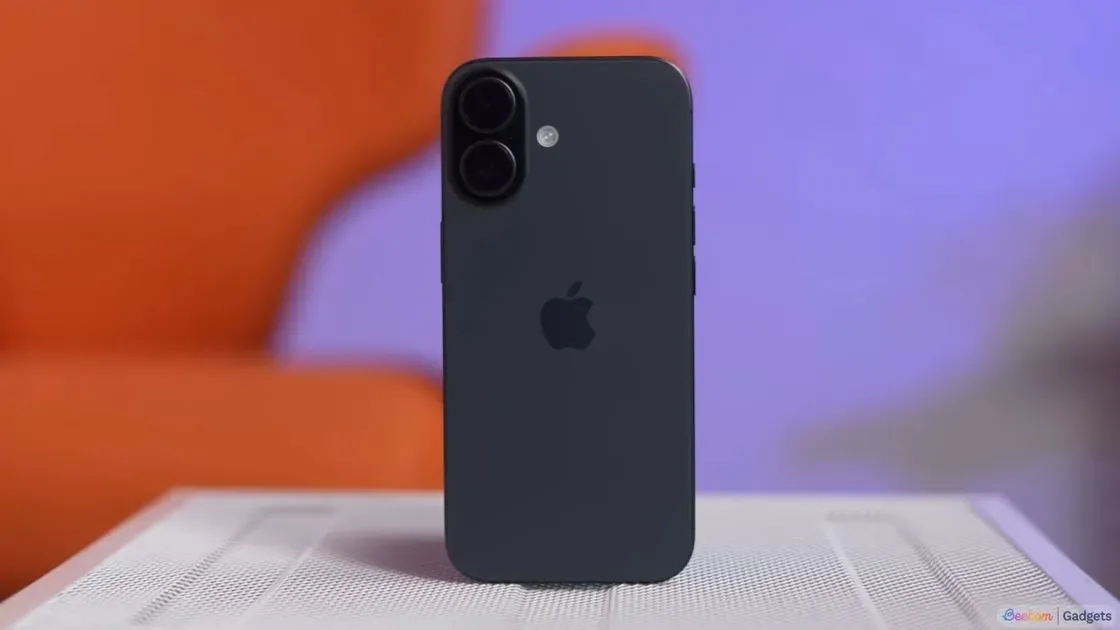
iPhone 18 downgraded specs chatter has already begun online, with Apple expected to downgrade the display and processor of the phone. This could either mean iPhone 18 will not receive a price hike or, worst-case scenario, there will be a price hike and technical downgrades.
Not to mention, the star of the show, iPhone Fold is also going to be seriously affected by the iPhone memory cost fiasco. With an expected starting price of over $3,000 (approximately Rs 2,77,000), there are rumours iPhone Fold will be hard to buy at launch.
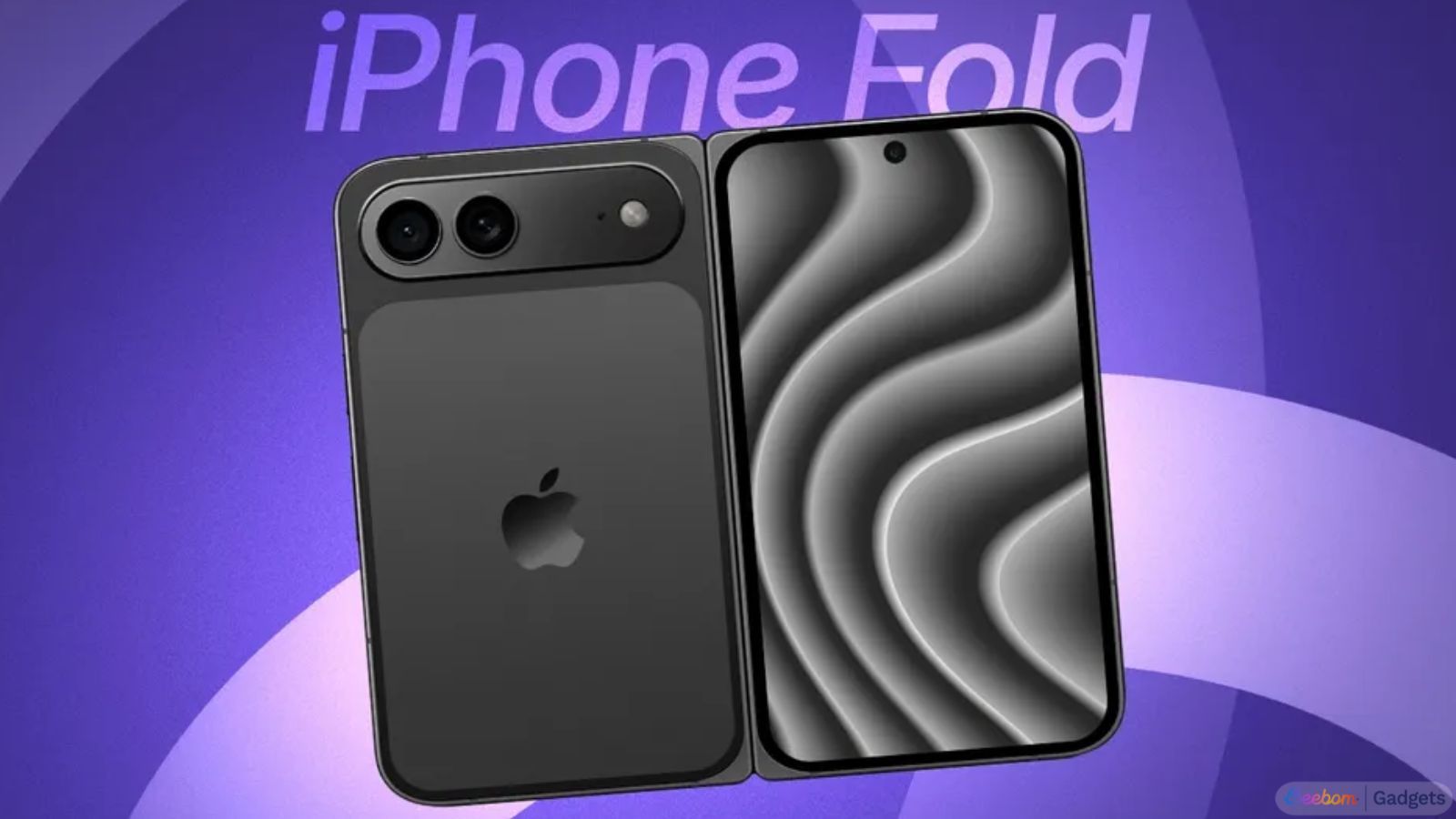
With the production line set to limit the first batch of iPhone Fold to just 4 to 5 million units, Apple might only make a few thousand or hundred units available at the first sale. While the current speculation is engineering complications, we believe memory cost will also play a huge role here. By producing in batches, Apple will be able to keep the memory requirements in check.
This is important since along with the iPhone Fold and iPhone 18e, there are in total five new iPhones planned for launch in 2026 and by the first half of 2027. Hence, Apple will have to place a large order for memory, typically high than the usual launch cycle.
Hence, not only will the iPhone Fold will be a serious dent in the wallet, it will be also almost impossible to purchase. All in all, the upcoming iPhones are a serious concern for consumers as they are the one who will pay the final hefty price of the AI-driven memory cost shoot up.
Related Articles


