





2026 is shaping to be monumental for Apple, as the Gemini-powered Siri is only a few months away from unveiling. Apple is expected to step into the AI chatbot limelight, and we have already heard some key details about it. Now, it seems like the Cupertino brand is also looking to tweak its own App Store laws to better support third-party AI agents apps.
Apple Explores Listing Third-Party AI Agents Apps on App Store
A new exclusive report shared by The Information suggests that Apple is considering letting third-party developers list their AI agent apps on the App Store. As per the current App Store Law, agentic AI apps that can vibe code, automatically execute code and alter an app state are prohibited from the App Store.
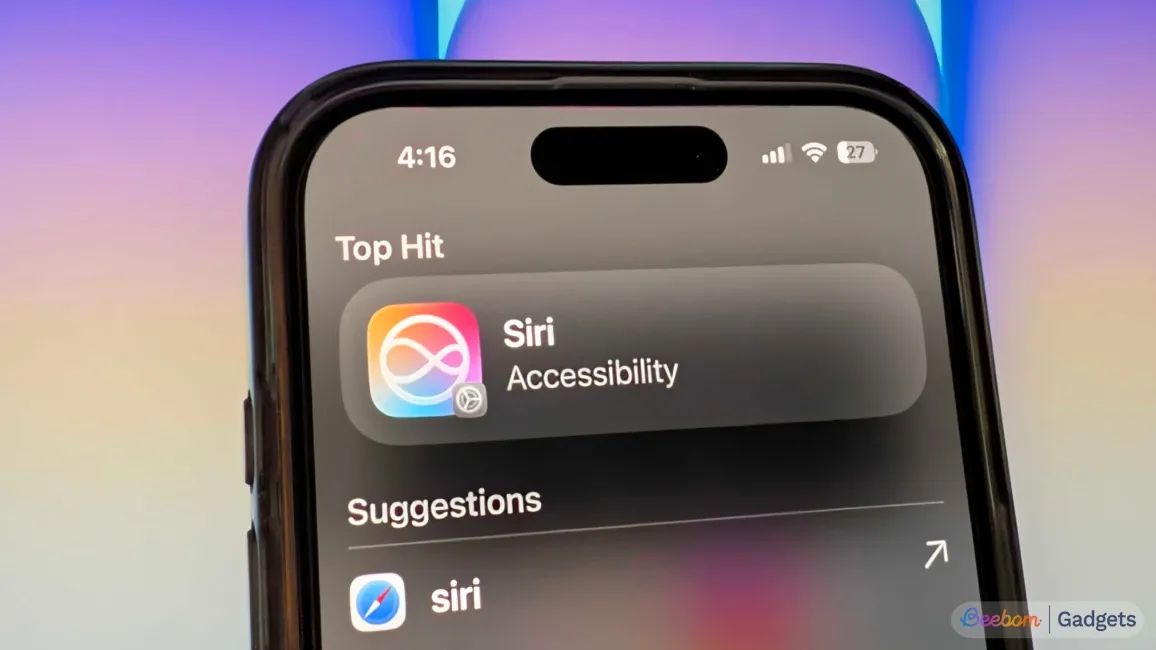
However, since Apple is prepping Siri with agentic AI capabilities, the Cupertino brand is looking to make changes to keep up with the AI agents trend that has gained massive popularity amongst developers and users.
The report further states that while AI agents and AI coding apps might get listed on the App Store in the future, they will be subject to security and privacy standards that govern the App Store laws. As to exactly how it will work, there is no clarity on that part.

Moreover, ahead of the Siri overhaul in iOS 27, Apple has also reportedly started contacting app developers to integrate capabilities like flight booking and sending calendar invites via Siri and Apple Intelligence. However, most developers have reportedly backed out to avoid paying any commissions to Apple.
Although the Cupertino brand has assured that there is no commission model in the initial stages, it has hinted at its future possibility. Similarly, brands like Baidu, Alibaba and Tencent are also hesitant to partner with Apple for the future of Siri.
That said, it is still unclear what Apple plans for the new Siri and third-party AI agents. While reports indicate Siri will include multi-AI support, without developer support, it will be hard for the iPhone-maker to make a full-fledged AI-powered Siri that can perform multi-step operations and compete with the likes of OpenAI, Google and Anthropic.
Related Articles


