





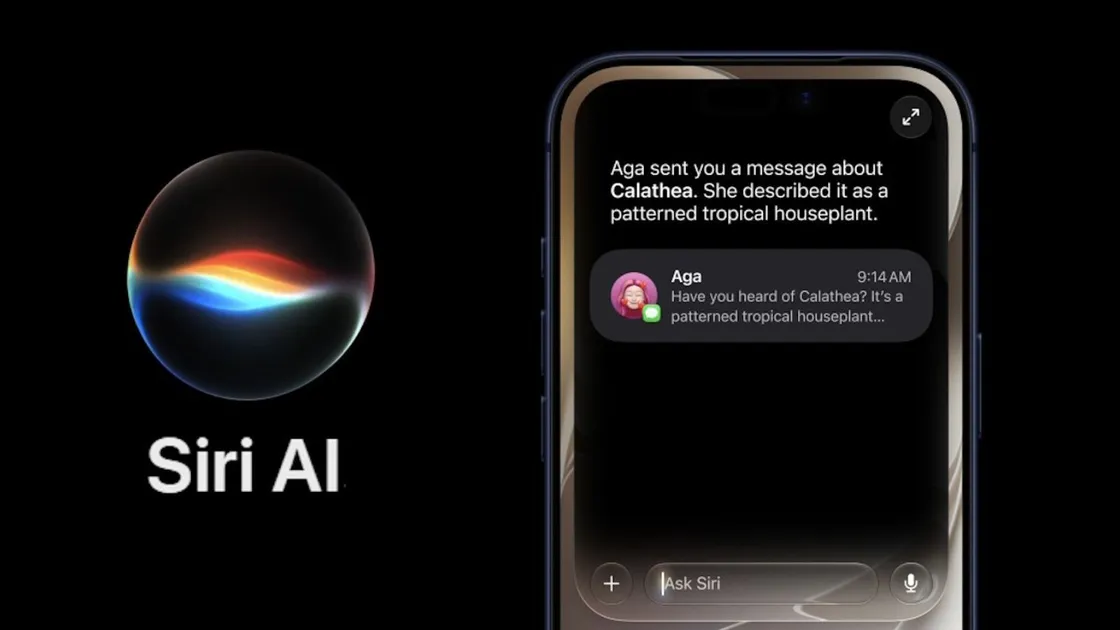

With the iOS 27 stable update now rolling out globally, Apple has also rolled out Siri AI to all eligible iPhones, bringing the best of agentic AI, Apple Intelligence and Visual Intelligence.
Siri AI Availability and Supported iPhones List
While Siri AI is finally available for the public to experience, Apple has yet to take Siri AI out of beta. Even with the iOS 27 stable update, Siri AI remains in beta. Siri AI is rolling out in English and Apple says that usage limits will apply.
Apple has also confirmed that not every iPhone on the iOS 27 eligible devices list will get the new Siri AI. Only the following iPhones will be eligible for the new Siri AI:
- iPhone 18 Pro
- iPhone 18 Pro Max
- iPhone Duo
- iPhone 17
- iPhone 17 Pro
- iPhone 17 Pro Max
- iPhone 17e
- iPhone Air
- iPhone 16
- iPhone 16 Plus
- iPhone 16 Pro
- iPhone 16 Pro Max
- iPhone 16e
- iPhone 15 Pro
- iPhone 15 Pro Max
Hence, the new revamped Siri AI will only be available on 15 iPhone models that also support Apple Intelligence. Moreover, Apple mentioned that its most powerful on-device AI, which enables features such as "expressive voices and more advanced dictation", will be available on just six iPhone models. These include the iPhone 18 Pro, iPhone 18 Pro Max, iPhone Duo, the iPhone 17 Pro, iPhone 17 Pro Max, and iPhone Air.
Related Articles

Siri AI Release: Everything New
The most immediate change that Apple has pushed with Siri AI is that the virtual assistant now has a dedicated app. It works like a modern AI chatbot, with a conversational interface, pinned conversations, chat history search and suggested prompts. Conversations sync privately over iCloud, so a chat started on a Mac can be picked up on an iPhone, iPad or Apple Watch.
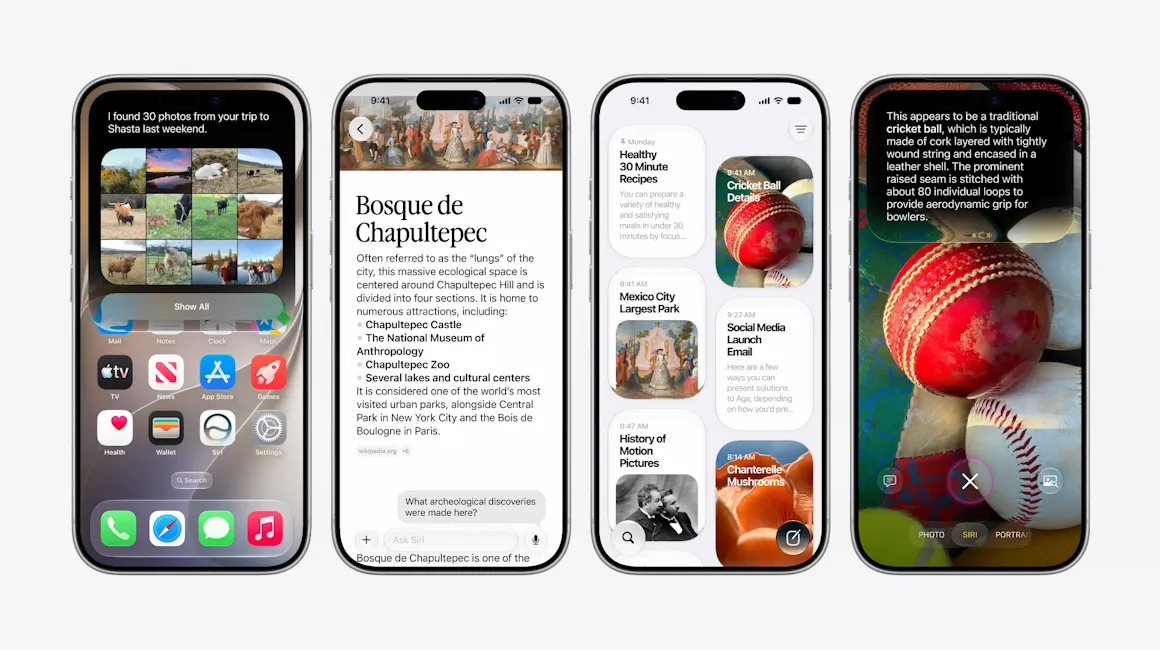
Siri also no longer takes over the whole screen. It now lives inside the Dynamic Island, showing a compact, orb-like animation while processing, and can be expanded when a longer conversation is needed. Alongside "Hey Siri" and the side button, users can now access Siri AI by swiping down from the Dynamic Island.
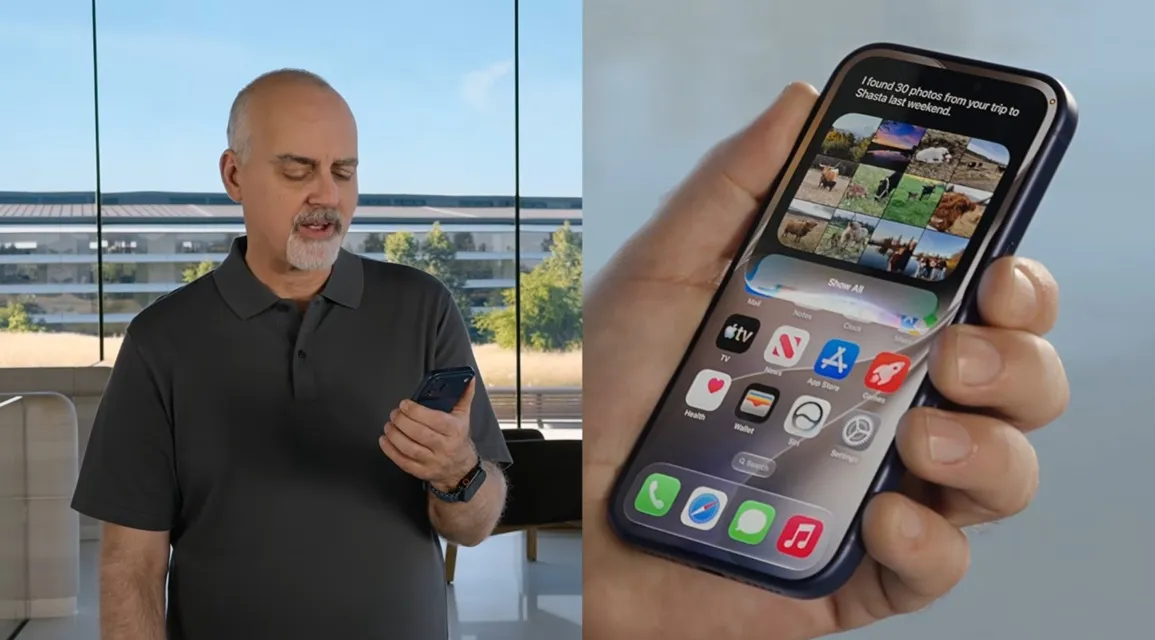
Moving on, the two capabilities Apple has pushed hardest are personal context understanding and on-screen awareness. With Personal context, Siri AI can search across a user's own data to find relevant information, such as finding a restaurant a friend recommended in Messages, pulling a hotel confirmation number out of an old email, or surfacing photos from a specific trip.
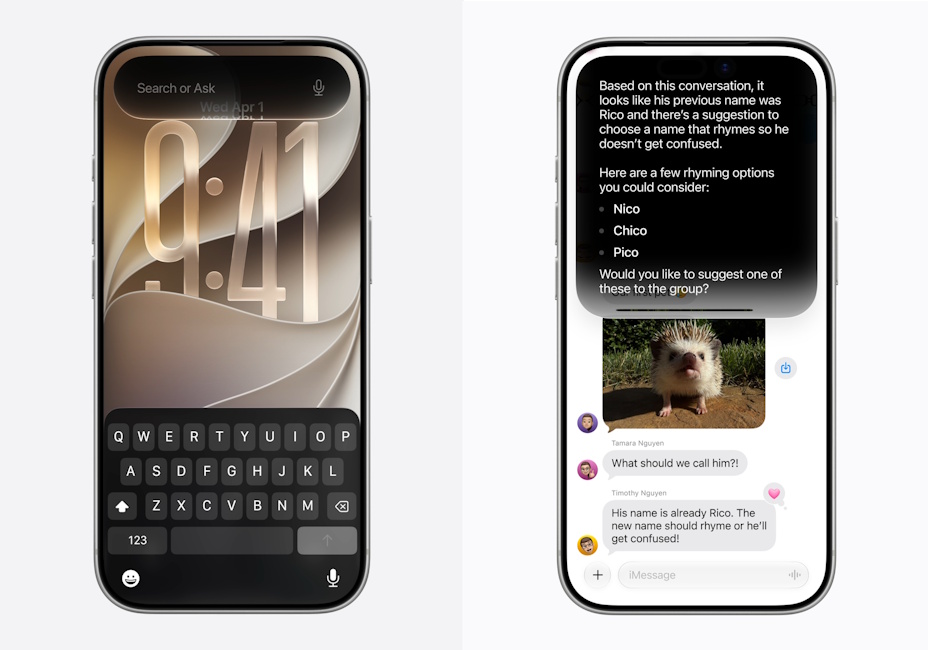
On-screen awareness means Siri can answer questions about whatever is currently displayed and then act on it. Apple's example is getting a text about a potluck, brainstorming what to bring, and saving a recipe to Notes without copying anything manually.
Siri AI also draws on broad world knowledge, pulling current information from the web rather than deflecting to a search results page. With this capability, Siri AI is now in the same field as ChatGPT and Gemini on Android.
Moreover, the new Siri AI can also handles multi-step requests that combine several tasks together across apps. It can also handle everyday tasks like drafting an email from scratch or sharing a set of photos. That's the kind of cross-app action no third-party chatbot can execute.
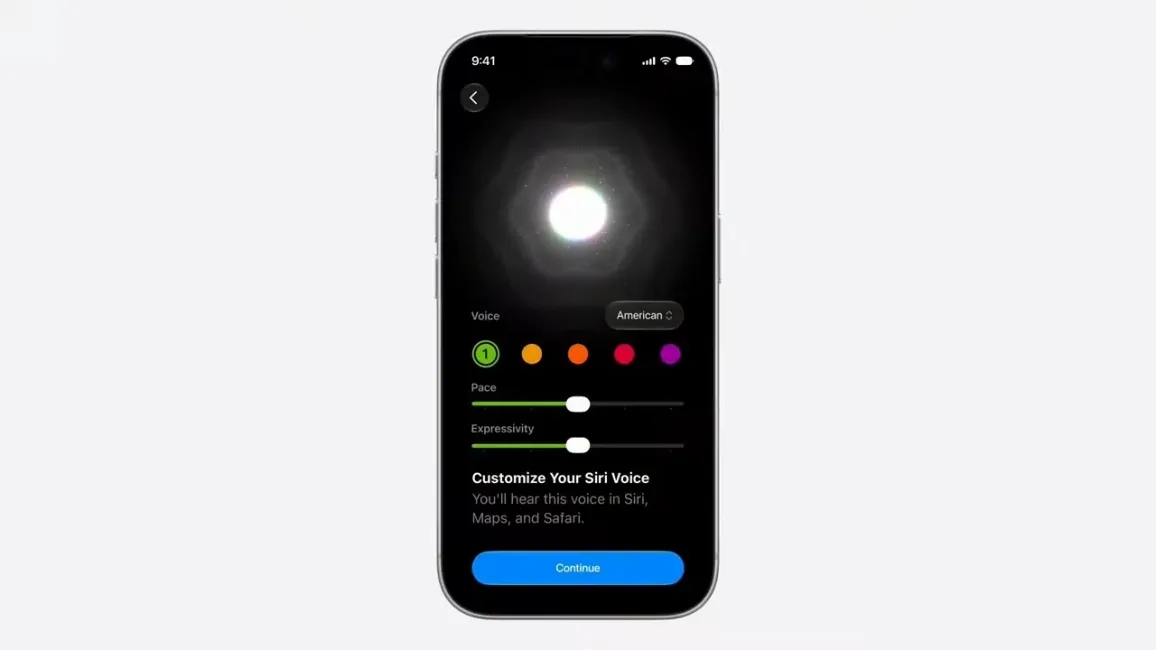
For voice-based inputs, Siri AI gets an expressive voice that sounds much more conversational. Users can conveniently customise its expressiveness and pace, making it either sound lively and animated or keep it calm and slow, whatever suits the need.
Additionally, Siri AI can now turn speech into polished text with greater accuracy. It can automatically handle capitalisation, punctuation and formatting as the user talks. These voice and dictation features rely on Apple's most advanced on-device model and that's why they are limited to the iPhone Air, iPhone 17 Pro series and the all-new iPhone 18 Pro, iPhone 18 Pro Max and the foldable iPhone Duo.
Moving on, Siri AI can now make sense of images too and on the iPhone, it shows up as a brand-new Siri mode inside the Camera app. The AI can identify what it's looking at, split a restaurant bill with Apple Cash, or give nutritional information on a plate of food.
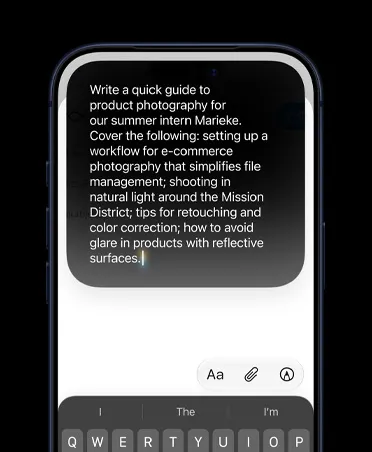
Siri AI also brings writing suggestions to wherever users type on iPhones. It can draft text or describe a change and make specific changes based on user input. Siri AI can also mirror tone and punctuation. There is also a system-wide proofreader to check writing, even inside third-party apps.
With the iOS 27 stable update, Apple has finally put its revamped Siri AI in the hands of users, but the journey is clearly not over yet. The assistant now goes far beyond simple voice commands, with personal context, on-screen awareness, web knowledge and cross-app actions bringing it much closer to the kind of AI assistants Apple has been promising.
However, the fact that Siri AI is still in beta, comes with usage limits and is restricted to a relatively small set of iPhones shows that Apple is taking a measured approach to the rollout. For users with a supported device, though, iOS 27 marks the biggest change to Siri in years.
Related Articles


